For cellular-connected devices targeting the North American market, PTCRB certification remains the gold standard of network compliance. But as of 2026, the PTCRB process looks very different from even a few years ago.
While the purpose remains the same (ensuring reliable, interoperable and safe connectivity) the path to approval now demands a more integrated, performance-led design approach.
Let’s explore what changed in 2025, why these updates matter, and how device designers can adapt to pass first time.
A quick refresher - what is PTCRB certification?
PTCRB (PCS Type Certification Review Board) certification is required for any device connecting to cellular networks in North America. It verifies that devices comply with 3GPP standards, perform consistently under real-world radio conditions and meet carrier-specific requirements. In other words, it ensures that when a product is deployed, it won’t cause interference, drop connections, or compromise the performance of the network it’s using.
Traditionally, this process has focused on RF and OTA (Over-the-Air) performance, which are key parameters like Total Radiated Power (TRP) and Total Isotropic Sensitivity (TIS). That said, recent changes have broadened its scope significantly.
What’s new in PTCRB certification for 2026?
2025 brought a number of refinements for PTCRB aimed at making certification faster, clearer and more consistent across the board. Rather than a total overhaul, this update focuses on tightening definitions and simplifying the process for device manufacturers and test labs.
1. Certified chipsets and reusable test results
For the first time, PTCRB formally recognises certified chipsets. This means chipsets that have already passed PTCRB standards can now act as a foundation for new modules or IoT devices. Manufacturers can reuse existing test data when those chipsets are integrated correctly, cutting down on repeat testing and helping smaller IoT developers get to market faster.
2. Streamlined documentation and update cycles
PTCRB has made its certification documentation easier to follow, which is a welcome change for anyone managing antenna performance and regulatory testing. The NAPRD03 requirements are now published on a regular quarterly schedule, ensuring alignment with the latest 3GPP and CTIA test procedures. For developers integrating antennas or tuning RF performance, this means fewer surprises when preparing test plans.
3. Clearer rules for minor design or software changes
Engineering Change Orders (ECOs) have been given more structure. If a design or software update has only a minor impact (for example, a small antenna tweak or firmware adjustment that doesn’t affect wireless performance) it may not need full recertification. PTCRB now provides measurable thresholds, so engineers can quickly tell when testing is required and when it’s not.
4. Updated approach to integrated device testing
PTCRB has clarified how certified modules link to device certification. When a product uses a PTCRB-approved module, it must align with the same NAPRD03 version used in the module’s original test or a newer one. This ensures consistent RF and antenna performance between the module and the finished device. Devices that reuse modules over time or modify their RF layout, antenna or firmware may need partial retesting to confirm compliance with the latest standards. The result is a clearer, more predictable path for antenna integrators managing updates and maintaining certification validity.
So, how do you pass certification first time?
Passing PTCRB first time comes down to design foresight. The most common failures aren’t from the test lab, but from decisions made early in development.
Start by using a certified module and a proven antenna. This gives your design a compliant foundation and reduces the number of unknowns during RF and OTA testing. Then, test and tune early. Even small layout changes, casing materials or cable routes can shift performance and cause detuning, so verify Total Radiated Power (TRP) and Total Isotropic Sensitivity (TIS) in realistic conditions before submission.
It’s also essential to stay aligned with the latest NAPRD03 version. Version mismatches between your module and device documentation can trigger additional testing. Finally, validate performance under real-world conditions rather than just the lab. Orientation, housing and user handling can all affect results.
Proven antennas for an array of devices
PTCRB certification in 2026 will reward integrated, performance-first design. By treating antenna integration as a core part of the product developers can move through certification with fewer surprises and a faster route to market.
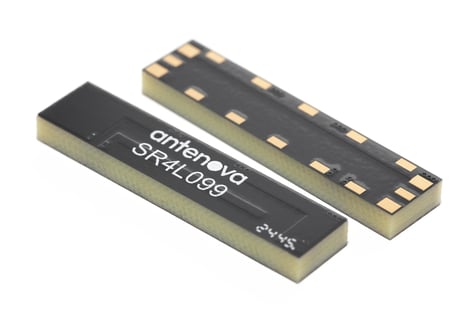
Antenova’s pre-tested, high-efficiency antennas and expert RF support simplify this process, ensuring your device meets performance standards the first time. From design to certification, we help you create wireless products that are ready for real-world success.